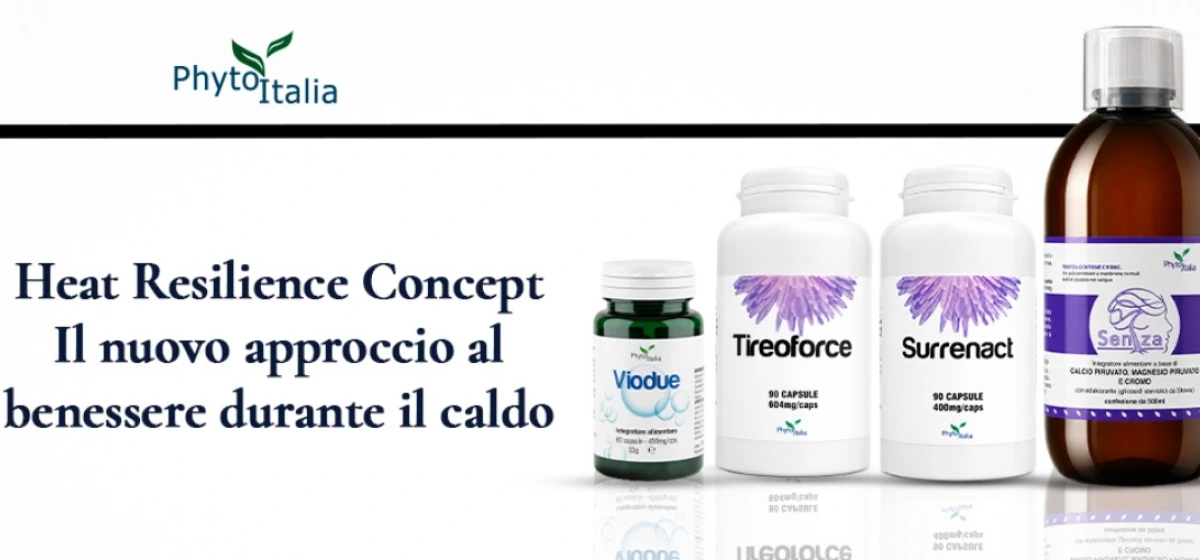
Heat Resilience Concept: when heat becomes a biological stress
Preparing the body to cope with physiological adaptation processes during heat waves
Summers are increasingly characterized by periods of intense heat, persistent high temperatures, and humidity levels that can put a strain on our bodies. The so-called heat waves, and in particular the phenomenon of the "Heat Dome", are not just an environmental discomfort: they represent a real physiological challenge that requires the body to continuously adapt.
To maintain a stable body temperature, the organism activates a complex network of coordinated responses involving the cardiovascular system, respiration, energy metabolism, and neuroendocrine mechanisms responsible for the stress response.
When these conditions persist for days or weeks, the increased demand on regulatory systems can lead to feelings of fatigue, reduced physical endurance, difficulty concentrating, and decreased recovery capacity.
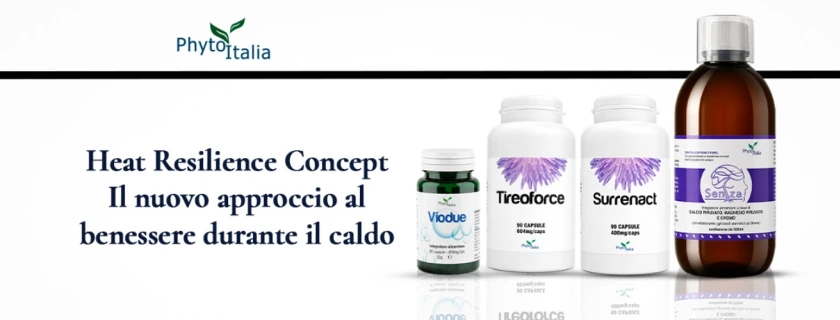
From this awareness arises the Heat Resilience Concept, an approach that considers heat as a systemic biological stress and proposes a strategy aimed at supporting the physiological adaptation processes of the body.
What happens during a Heat Dome?
During a heat wave, the body must continuously dissipate heat produced by metabolism and that coming from the external environment. To do this, it implements various physiological mechanisms.
High temperature
↓
Increased sweating
↓
Increased cardiovascular workload
↓
Increased oxygen demand by tissues
↓
Greater cellular energy (ATP) demand
↓
Activation of the physiological stress response
↓
Onset of fatigue, reduced concentration, and decreased physical and mental performance
This sequence represents a normal adaptation response. However, when intense heat persists over time or affects particularly sensitive individuals, the physiological load can become significant.
Heat is a biological stress
The human body possesses sophisticated regulatory systems that allow it to maintain a constant body temperature despite environmental variations.
When external temperatures rise, numerous physiological adaptations occur:
- sweating increases to promote heat dissipation;
- the cardiovascular system increases blood flow to the skin;
- respiratory work increases to meet metabolic demands;
- the energy needs of cells increase;
- neuroendocrine systems involved in the stress response are activated.
All these processes have a common goal: to preserve homeostasis, that is, to maintain the internal balance of the organism.
However, when thermal stress prolongs, the increased energy expenditure required by regulatory systems can lead to symptoms such as:
- persistent fatigue;
- reduced endurance;
- slower recovery;
- difficulties in concentration;
- feelings of reduced energy throughout the day.
Heat Resilience: supporting physiological adaptation capacity
The Heat Resilience Concept arises from a simple yet innovative vision: heat should not be considered solely as an environmental factor, but as a biological stimulus that simultaneously involves various systems of the organism.
The goal is not to "fight the heat," but to support the physiological processes that allow the body to adapt to environmental conditions while maintaining its functional balance.
This approach takes into account the main biological systems involved in the response to heat and proposes targeted nutritional support based on individual needs and the assessment of the healthcare professional.
The four pillars of Heat Resilience
1. Respiratory well-being and oxygenation
During intense heat, the workload on the respiratory system increases. Proper oxygenation helps support aerobic energy metabolism, which is essential for the physiological production of ATP within the mitochondria.
VIODUE is formulated to support respiratory well-being and promote physiological oxygenation of tissues, helping the body cope with psycho-physical stress and feelings of fatigue.
2. Energy metabolism
Every adaptation process requires energy.
In recent years, research has highlighted how lactate is not merely a byproduct of muscle metabolism, but a molecule involved in energy transfer mechanisms between different tissues, contributing to the so-called lactate shuttle.
During periods of increased energy demand, supporting cellular metabolism can help maintain the normal vitality of the organism.
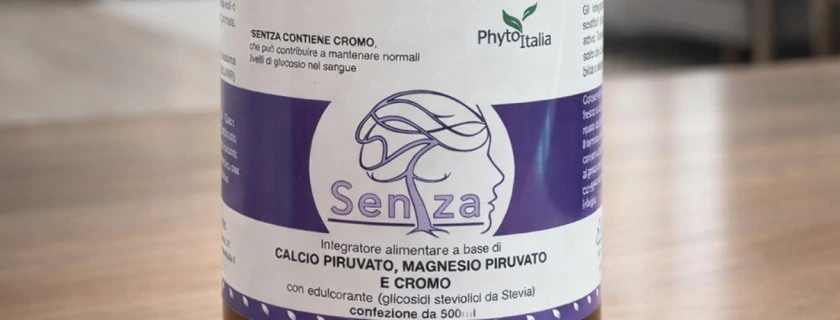
SENTZA has been developed to support energy metabolism during periods characterized by greater functional demand.
3. Stress adaptation
Heat waves represent a stimulus that can activate the body's physiological stress response.
Among the systems involved is the hypothalamic-pituitary-adrenal axis, which participates in the adaptation mechanisms necessary to maintain internal balance.
When the adaptive effort prolongs over time, some individuals may report:
- persistent fatigue;
- reduced recovery capacity;
- difficulties in concentration;
- feelings of reduced resilience to stress.
SURRENACT®, thanks to the presence of a synergy of natural adaptogens, is formulated to physiologically support the body's normal stress response and promote the recovery of energy balance without overstimulating effects.
4. Thyroid function and metabolism
Thyroid function plays a fundamental role in regulating energy metabolism.
Micronutrients such as selenium, zinc, magnesium, chromium, and specific vitamins contribute to maintaining normal thyroid function and related metabolic processes.
TIREOFORCE provides selected nutrients to support physiological thyroid function and contribute to maintaining normal energy metabolism.
A personalized approach
Not everyone experiences heat in the same way.
Some report a marked feeling of fatigue, others perceive a slowdown in metabolism, while others complain of difficulties in recovery after particularly hot days or periods of intense physical exertion.
For this reason, the Heat Resilience Concept proposes an approach oriented towards the predominant symptom and the physiological system most involved.
The healthcare professional can thus evaluate the most appropriate nutritional support based on the individual's characteristics.
Heat Resilience Concept: a new way to interpret well-being during heat
Facing the heat does not simply mean seeking cooler temperatures.
It means understanding how our body reacts to environmental conditions and supporting those physiological processes that allow it to maintain balance, metabolic efficiency, and adaptability.
Breathing.
Energy production.
Stress response.
Metabolic regulation.
These systems work in close synergy whenever the body faces an environmental challenge.
The Heat Resilience Concept was born with this very goal: to offer a new perspective on summer well-being, based on the physiology of adaptation and a nutraceutical approach aimed at supporting the body's natural processes.
Because heat is not fought.
We adapt.
Frequently asked questions
What is a Heat Dome?
The Heat Dome is a meteorological phenomenon characterized by persistent high temperatures, often associated with high humidity and reduced ventilation, which increases the physiological load required by the organism.
Why do we feel more tired during the heat?
To maintain a constant body temperature, the organism increases the workload of various physiological systems, resulting in greater energy expenditure that can lead to feelings of fatigue.
What is the Heat Resilience Concept?
It is an approach that considers heat as a systemic biological stress and proposes strategies aimed at supporting the physiological adaptation processes of the organism.
Who is the Heat Resilience Concept aimed at?
To all individuals who wish to better understand how their body reacts to heat waves and, together with a healthcare professional, evaluate targeted nutritional support based on their needs.You might also be interested in